Guides
Guides
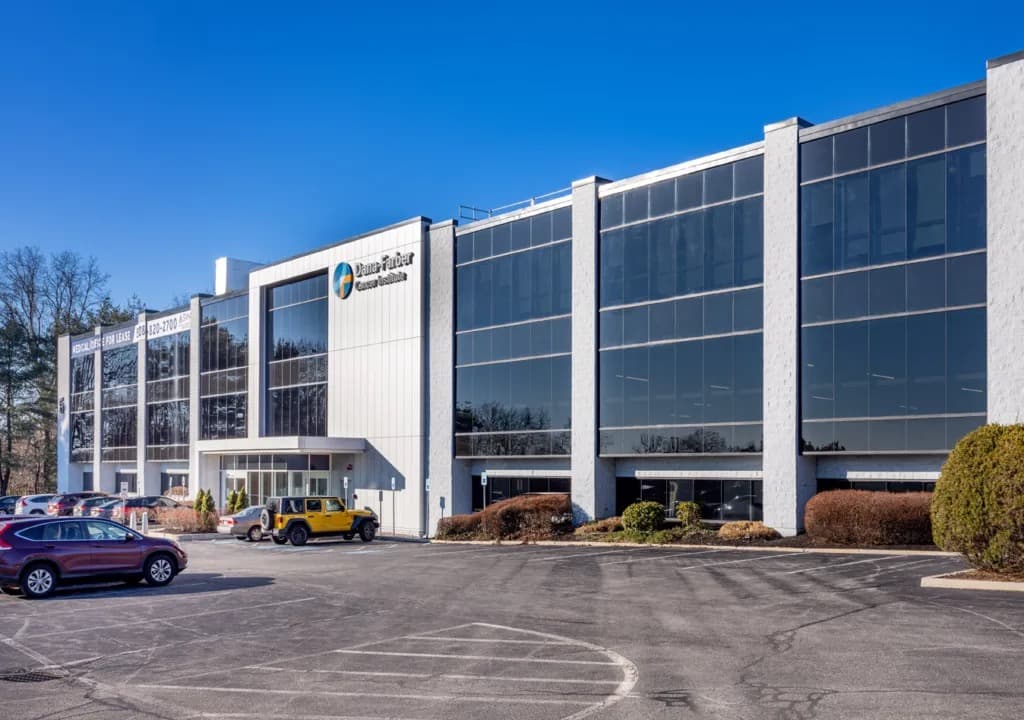
Medical office buildings, commonly abbreviated MOBs, are a specialized commercial real estate asset class serving healthcare tenants such as physician practices, outpatient clinics, urgent care operators, dental practices, and diagnostic imaging providers. Medical office underwriting differs meaningfully from general office underwriting because of the specialized build-out requirements, the tenant retention dynamics common in healthcare real estate, and the typically higher upfront tenant improvement costs associated with clinical space.
Clinical medical space generally requires more specialized infrastructure than general office space, including plumbing for exam rooms, enhanced HVAC systems to meet ventilation standards for clinical settings, additional electrical capacity for medical equipment, and, for some practices, structural reinforcement to support imaging equipment such as X-ray or MRI machines. These specialized improvements generally cost more per square foot than a standard office build-out, which affects both the landlord's tenant improvement allowance negotiations and the practical difficulty of re-tenanting the space if a medical tenant vacates, since a replacement tenant needs either a similar clinical use or significant additional investment to convert the space to general office use.
Because of the specialized and costly nature of medical office build-outs, healthcare tenants generally exhibit higher retention rates than general office tenants, since relocating a medical practice involves not just standard moving costs but also patient continuity concerns, new build-out expenses at a replacement location, and, in many cases, credentialing or licensing steps tied to the specific location. This switching cost dynamic tends to support longer effective tenancy than the stated lease term alone would suggest, since a tenant with a substantial sunk investment in a location is generally motivated to renew rather than relocate when the lease comes up for renewal, all else being comparable.
Medical office demand is often closely tied to proximity to hospital campuses or health systems, since many physician practices and outpatient services benefit from being located near, or affiliated with, a specific hospital system for referral relationships and patient convenience. Greater Boston's concentration of major hospital systems and academic medical centers has historically supported strong medical office demand in proximity to those campuses, though a specific building's value depends heavily on its actual proximity and any formal or informal affiliation with a nearby health system, rather than general regional healthcare demand alone, and investors should evaluate each candidate property's specific tenant base and location fundamentals individually rather than assuming the broader regional trend applies uniformly.
Medical office buildings qualify as like-kind real property for 1031 exchange purposes when held for investment, and the site's Medical Office Acquisition Path service sources clinic, urgent care, and lab space candidates that satisfy the more specific underwriting criteria this asset class typically requires, including tenant credit, remaining lease term, and the specialized nature of the existing build-out.
Common replacement classes
Step 1
Engage
Step 2
Identify
Step 3
Close
Clinical space generally requires specialized plumbing, enhanced HVAC for clinical ventilation standards, additional electrical capacity for medical equipment, and sometimes structural reinforcement for imaging equipment, all of which cost more per square foot than a standard office build-out.
Generally yes. The specialized and costly nature of medical build-outs, combined with patient continuity concerns and potential credentialing steps tied to a specific location, tends to make medical tenants more likely to renew rather than relocate when a lease comes up for renewal.
Medical office demand is often tied to proximity to hospital campuses or health systems, and Greater Boston's concentration of major hospitals and academic medical centers has historically supported strong medical office demand near those campuses, though each property's value should be evaluated on its specific proximity and tenant base rather than general regional trends.
Yes, when held for investment or business use. Medical office buildings are like-kind real property and are a commonly sourced 1031 replacement asset class given their tenant retention characteristics.
Re-tenanting can be more difficult than with general office space, since a replacement tenant needs either a similar clinical use or significant additional investment to convert the space to general office use, which is an important underwriting consideration for medical office investors.

Ready to Begin?
Share your timelines and acquisition targets and we will deliver a prioritized property roadmap for your identification window.
Start Your Briefing