Service Area
Service Area
Market Brief
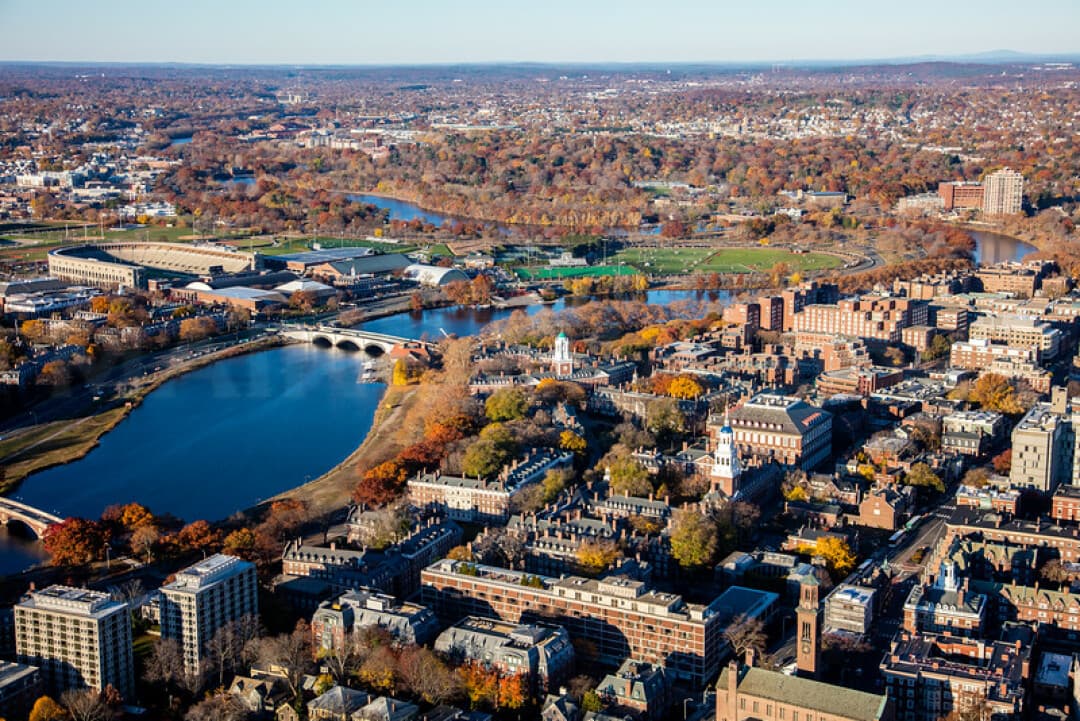
Cambridge stands as one of Massachusetts' most dynamic real estate markets, driven by its world-renowned universities, thriving biotech and technology sectors, and dense population of highly educated professionals. The city's concentration of life science companies, research institutions, and tech startups creates exceptional demand for lab space, Class A office, and mixed-use developments. Cambridge investors frequently pursue 1031 exchanges to transition from older multifamily, commercial, or industrial properties into stabilized life science lab facilities, medical office buildings, or Class A office holdings. The city's high property values and competitive market make strategic exchange planning essential for preserving equity and accessing replacement properties nationwide. Our team assists Cambridge investors in identifying replacement properties across all 50 states, ensuring they can meet the strict 45-day identification deadline while accessing opportunities that align with their investment objectives. Cambridge's proximity to Boston, MA enhances its appeal for investors seeking prime commercial holdings in the region's innovation economy.
Search our service areas
Based in Boston, MA. Nationwide identification support within 45-day and 180-day deadlines.
Local Market Notes
Cambridge relinquished property most often falls into two buckets: lab/life-science buildings around Kendall Square and East Cambridge, and older office or mixed-use stock closer to Central and Harvard Square that's been repositioned over the years. Owners exiting lab assets right now are usually doing it because a single-tenant biotech lease is coming up for renewal or expiring, and the building's future depends entirely on whether that tenant recommits or walks. We've coordinated exchanges where the seller wanted out before a renewal decision landed rather than after, and that changes how tight your 45-day list needs to be built.
A lab building sale in this submarket also tends to carry heavier due diligence than a typical office deal — mechanical systems built for vivarium or wet-lab use, generator capacity, and fume hood infrastructure all get scrutinized by the buyer's engineers. That diligence period can eat into your window if the sale itself gets delayed, so we build the identification list assuming the closing date could slip and confirm with the QI before day 40, not day 44.
Owners exchanging out of Cambridge lab or office property tend to go one of three directions with the proceeds: rotate into multifamily (triple-decker or small apartment buildings) elsewhere in Greater Boston where the cap rate is friendlier, move into a DST holding a diversified industrial or medical office portfolio to get out of active asset management, or trade laterally into flex/industrial along the Route 128 corridor where lease terms are longer and tenant turnover is less frequent than lab space.
The most common delay we see on Cambridge deals isn't the exchange mechanics — it's title and estoppel work on properties that have had multiple ownership changes since the biotech boom drove up land values here. Older deeds sometimes reference easements or shared-utility agreements with adjacent parcels that need to get cleared before a lender will fund on the replacement side. If your relinquished property has any shared loading dock, parking, or utility easement with a neighboring building, flag it to your QI and closing attorney early so it doesn't surface during the 180-day window when there's no slack left.
Lender preflight matters more here than in a lot of markets because Cambridge lab and office debt often carries covenants tied to a specific rent roll or tenant credit profile, and refinancing that debt as part of an exchange close needs the lender's sign-off well before the closing date, not after.
We coordinate the identification list, the documentation the QI needs, and the communication between your closing attorney and the replacement-side broker so the paperwork keeps moving while you're still handling tenant coordination and building operations on the relinquished property. We recommend confirming every structural decision with your tax advisor or qualified intermediary before it's final.
Inventory Themes
Capabilities
Full-stack identification, diligence, and compliance coordination delivered from Boston command centers.
FAQ
Next Steps
Tell us about your exchange goals in Boston and we’ll share a personalized property identification plan within one business day.