Service Area
Service Area
Market Brief
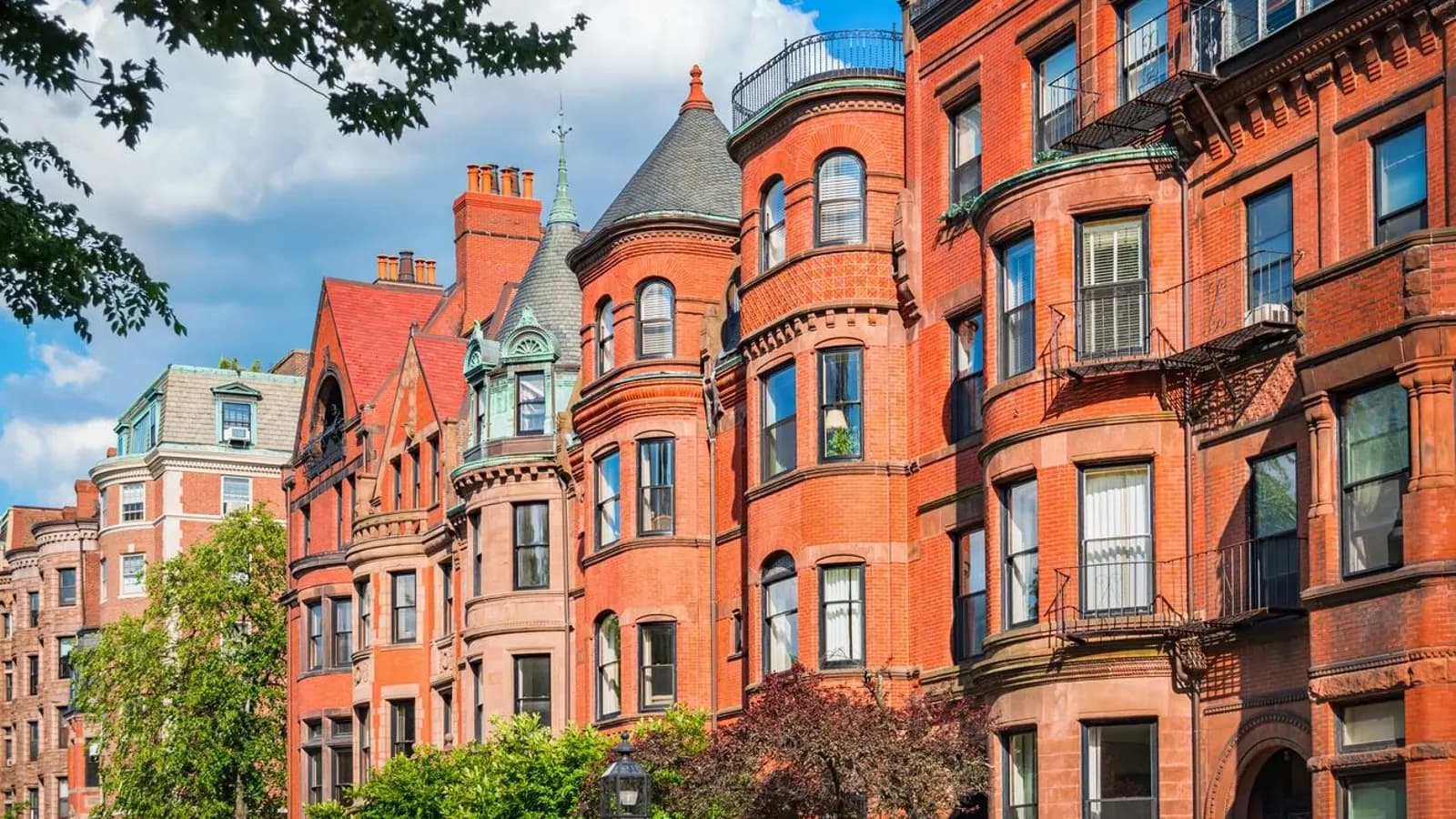
Back Bay stands as one of Boston's most prestigious commercial and residential districts, characterized by its historic brownstone architecture, high-end retail corridors along Newbury Street, and prime office space that commands premium rents. Investors in Back Bay frequently pursue 1031 exchanges to transition from older multifamily assets or commercial properties into stabilized single-tenant retail, medical office, or Class A office holdings. The district's dense population, affluent demographics, and proximity to Boston's financial core drive consistent demand for net-leased retail and professional office space. Our team helps Back Bay investors identify replacement properties nationwide, ensuring they meet the strict 45-day identification deadline while accessing opportunities beyond the immediate Boston, MA market. The area's transfer tax considerations and high property values make strategic exchange planning essential for preserving equity and deferring capital gains.
Search our service areas
Based in Boston, MA. Nationwide identification support within 45-day and 180-day deadlines.
Local Market Notes
Much of Back Bay's multifamily stock sits inside converted 19th-century brownstones, and a meaningful share of the sales we see start with an owner who bought a three- or four-unit building years ago and has watched condo deconversion economics get more attractive than continuing to operate it as a rental. Selling a deconverted or condo-eligible brownstone produces a cleaner basis picture than selling a fractional interest mid-conversion, so timing the exchange around the deconversion decision — not just the market — matters more here than in most Boston submarkets.
Owners weighing the decision often underestimate how long a full deconversion takes to complete cleanly, since it typically requires unanimous or supermajority owner consent, updated condo documents, and a fresh survey before units can be sold individually — a timeline question worth raising with counsel well before a sale date gets set.
Retail along Newbury Street has cycled through a wave of independent boutique closures and national brand backfills over the past several years, and owners who bought small retail condos or ground-floor units during the boutique era are increasingly selling into that backfill demand rather than waiting for the next lease renewal. A single-tenant retail exit here often replaces cleanly into net-leased retail or a pharmacy asset elsewhere, since both trade on similar lease-length and credit-tenant logic.
Vacancy on the street has stayed relatively contained compared with some other Boston retail corridors, which keeps replacement underwriting straightforward for buyers comparing a Back Bay exit against other net-lease options nationally.
Copley Square anchors most of the district's Class A office activity, and owners exiting older office holdings near there are watching the same conversion pressure playing out citywide — some buildings are strong performers, others are candidates for residential or lab conversion that changes their near-term hold economics. An owner selling ahead of that uncertainty typically wants replacement property in a sector without a comparable overhang.
Buyers evaluating Copley-area office assets increasingly ask for a building's mechanical and life-safety upgrade history up front, since older towers competing against newer stock need a credible capital plan to hold tenants through a lease renewal cycle.
Back Bay land and rehabilitation costs are high enough that very few sellers redeploy into a like-for-like Back Bay replacement — the basis per square foot rarely pencils against what the same capital can buy in a market outside Boston. Historic district review adds its own friction: any replacement search that circles back to a comparable Back Bay building means clearing the Boston Landmarks Commission before exterior work starts, a permitting timeline most owners don't want layered on top of a 180-day exchange clock. We steer identification lists toward markets without that extra review step unless a client specifically wants to stay in the neighborhood.
Owners who do want to stay in Boston proper more often look toward South Boston or Dorchester rather than back into Back Bay itself, since basis per square foot there sits meaningfully below what a comparable purchase inside the neighborhood would require.
Property Types
Replacement property short list curated for Boston capital targeting single tenant retail assets.
Replacement property short list curated for Boston capital targeting drive-thru qsr assets.
Replacement property short list curated for Boston capital targeting pharmacy net lease assets.
Replacement property short list curated for Boston capital targeting logistics warehouse assets.
Replacement property short list curated for Boston capital targeting life science and lab assets.
Replacement property short list curated for Boston capital targeting class a office assets.
Replacement property short list curated for Boston capital targeting mixed-use portfolio assets.
Replacement property short list curated for Boston capital targeting self storage assets.
Replacement property short list curated for Boston capital targeting flagged hospitality assets.
Replacement property short list curated for Boston capital targeting ground lease pad assets.
Capabilities
Full-stack identification, diligence, and compliance coordination delivered from Boston command centers.
FAQ
Next Steps
Tell us about your exchange goals in Boston and we’ll share a personalized property identification plan within one business day.