Service Area
Service Area
Market Brief
Brookline represents one of Massachusetts' most desirable residential suburbs, characterized by its tree-lined streets, historic architecture, excellent public schools, and proximity to Boston's employment centers. The town's affluent demographics, high property values, and stable residential market create consistent demand for multifamily housing, medical office space, and retail properties serving the local community. Brookline investors frequently pursue 1031 exchanges to transition from older multifamily, commercial, or mixed-use properties into stabilized apartment buildings, single-tenant retail, or medical office holdings. The town's high property values and competitive market make strategic exchange planning essential for preserving equity and accessing replacement properties nationwide. Our team assists Brookline investors in identifying replacement properties across all 50 states, ensuring they can meet the strict 45-day identification deadline while accessing opportunities that align with their investment objectives. Brookline's proximity to Boston, MA enhances its appeal for investors seeking properties in the region's most established residential markets.
Search our service areas
Based in Boston, MA. Nationwide identification support within 45-day and 180-day deadlines.
Local Market Notes
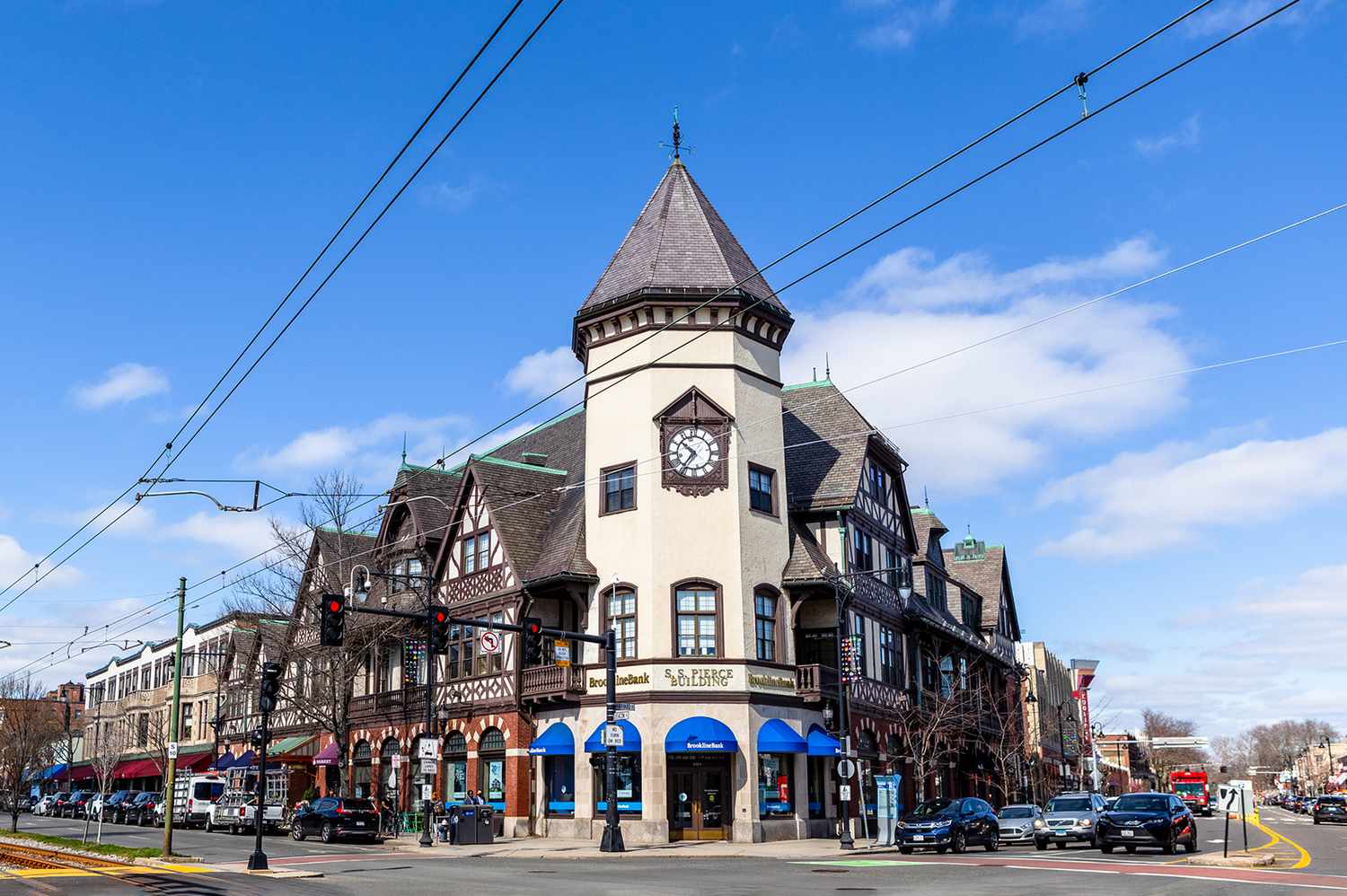
Coolidge Corner's retail runs on foot traffic from dense surrounding apartment buildings and the MBTA Green Line, supporting small storefronts rather than the pad sites and big-box format common further out on Route 9 or Route 1. Turnover here is slow, and when a building does trade, it's usually a mixed-use structure with retail below and apartments above, priced closer to a residential multifamily comparable than a suburban retail one.
Harvard Street and Washington Square carry similar small-format retail corridors at a slightly lower price point, drawing exchange buyers priced out of Coolidge Corner itself but still wanting Brookline's tenant demand base.
Brookline's apartment stock, much of it early-twentieth-century brick buildings and converted triple-deckers, benefits directly from renters connected to the hospitals, research institutions, and universities clustered along the Longwood Medical Area border. That anchor keeps occupancy high even through cycles when broader Boston-area rental demand softens, since medical residents, fellows, and research staff need housing within a predictable commute regardless of the wider market.
This demand base is also part of why Brookline multifamily rarely trades at a discount, even for buildings needing real capital work — the underlying tenant demand is considered durable enough to underwrite through a renovation period.
Replacement buyers in this submarket are generally underwriting one of these:
A meaningful share of Brookline's multifamily stock sits under constant pressure to convert to condominiums given how land values compare between rental income and per-unit sale prices. Before identifying a Brookline building on your 45-day list, understand whether the current owner has resisted that pressure for cash-flow reasons or simply hasn't gotten around to it, since that affects both your hold-period assumptions and your eventual exit options.
If your investment thesis depends on long-term rental income rather than an eventual conversion sale, confirm the building's condo eligibility and any existing tenant protections don't complicate that plan before you close.
Manager to manager: a pre-war Brookline apartment building often means original plumbing risers, aging electrical service, and tight mechanical rooms that make even routine maintenance more labor-intensive than in a suburban garden-style property. Get the actual service history on the boiler and any recent riser or panel replacement work before closing, since these systems fail without much warning in older masonry buildings.
Coordinate tenant notice carefully given how densely these buildings are occupied; a single miscommunicated ownership transition here reaches far more households at once than the same conversation would in a lower-density suburb. Put the notice in writing and follow up in person where you can, since a dense building full of long-term tenants will talk to each other about whatever they hear first, accurate or not, faster than any formal notice travels.
Popular Paths
Brookline investors exiting older multifamily assets often use rollover strategies to acquire larger, stabilized apartment portfolios in markets with stronger yield profiles and lower acquisition costs.
Service · #2Medical office properties offer stable, long-term leases with healthcare tenants, making them attractive replacement properties for Brookline investors seeking predictable income streams in healthcare-anchored markets.
Service · #3Single-tenant retail with credit tenants provides stable income with minimal management requirements, appealing to Brookline investors seeking passive replacement property investments.
Property Type · #4Healthcare retail assets featuring extended lease terms, corporate tenant creditworthiness, and reduced owner operational duties represent ideal replacement property selections for Brookline investors.
Service · #5Self storage facilities provide recession-resistant income and strong performance in suburban markets, making them suitable replacement properties for Brookline investors seeking stable cash flow.
Property Type · #6Mixed-use portfolios offer diversification across asset types, appealing to Brookline investors seeking to replicate the town's successful mixed-use development model in other markets.
Capabilities
Full-stack identification, diligence, and compliance coordination delivered from Boston command centers.
FAQ
Next Steps
Tell us about your exchange goals in Boston and we’ll share a personalized property identification plan within one business day.