Reporting
Reporting
nnn
Browse nationwide inventory of triple net retail properties suitable for 1031 exchanges. These properties offer predictable income streams with tenants responsible for property expenses.
logistics
Explore industrial warehouse and logistics facilities ideal for 1031 exchange replacement properties. These assets benefit from e-commerce growth and supply chain demand.
Triple Net Retail
Example inventory only. We provide introductions to licensed brokers.
Logistics and Industrial
Active sourcing channel
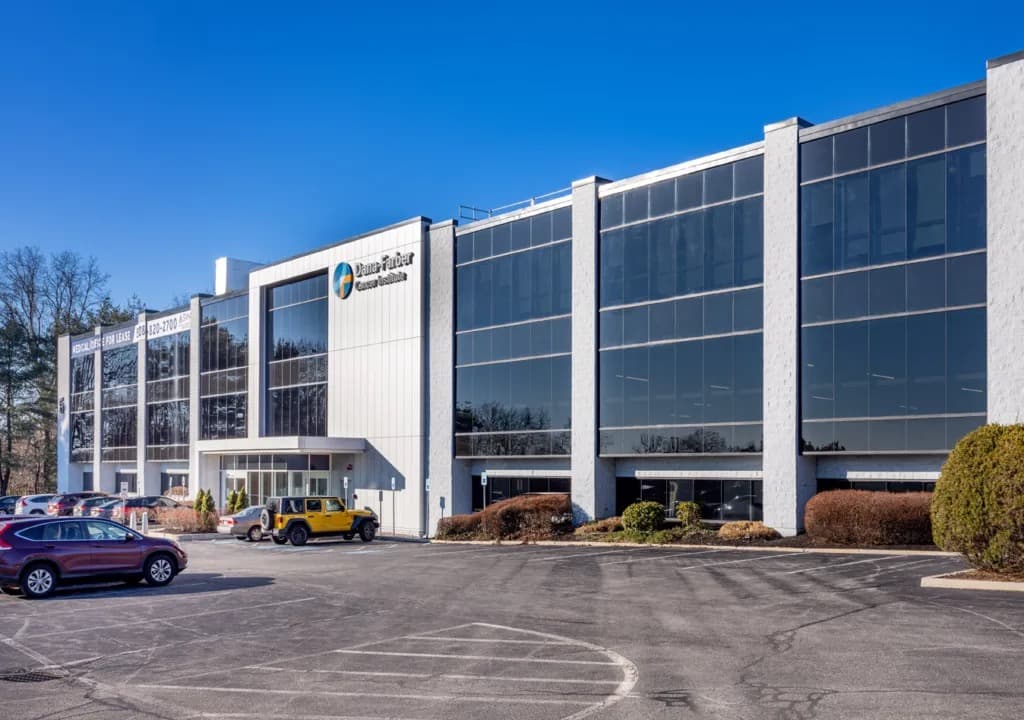
Medical and Life Science
Active sourcing channel
Office and Lab Conversions
Active sourcing channel
Multifamily and Mixed-Use
Active sourcing channel
Hospitality and Leisure
Active sourcing channel
Deferred maintenance refers to work that should already have been completed under a normal maintenance schedule and is generally treated as a purchase price negotiating point, since it represents a cost the current owner should have already borne. Routine end-of-life replacement, such as a roof reaching its rated lifespan under normal wear, is instead treated as a future reserve planning matter that any owner would eventually face.
Forecasts typically project capital needs across five, ten, and fifteen-year horizons, since major building systems have different remaining useful lives and replacement timing. A single lump-sum estimate would obscure which capital events are imminent versus which are a decade or more away, so the schedule breaks out anticipated events by approximate timing.
Lenders want assurance that a property's owner will have funds available to address major capital needs without deferring maintenance in a way that erodes the collateral's value over the loan term. An unsupported or overly optimistic reserve estimate proposed by the borrower can create friction during underwriting, which is why forecasting output is built to align with standard lender reserve templates and is supported by physical condition findings.
Yes. Net operating income reflects current operating performance, not the age or condition of major building systems, so two properties with identical trailing cash flow can carry substantially different forward capital burdens depending on roof age, mechanical system condition, and deferred maintenance history. Comparing capex forecasts alongside cash flow is necessary to understand true comparative total ownership cost.
If a replacement property's effective value is reduced by significant near-term capital needs that were not reflected in the negotiated price, the investor's actual net position may fall short of what matching the relinquished property's proceeds would require, which can contribute to boot exposure. Forecasting capital needs before finalizing a purchase price helps ensure the negotiated price and reserve planning together reflect the property's true condition.

Ready to Begin?
Share your timelines and acquisition targets and we will deliver a prioritized property roadmap for your identification window.
Start Your Briefing