Property Type
GROUND LEASE PAD
Property Type
GROUND LEASE PAD FOR 1031 EXCHANGES
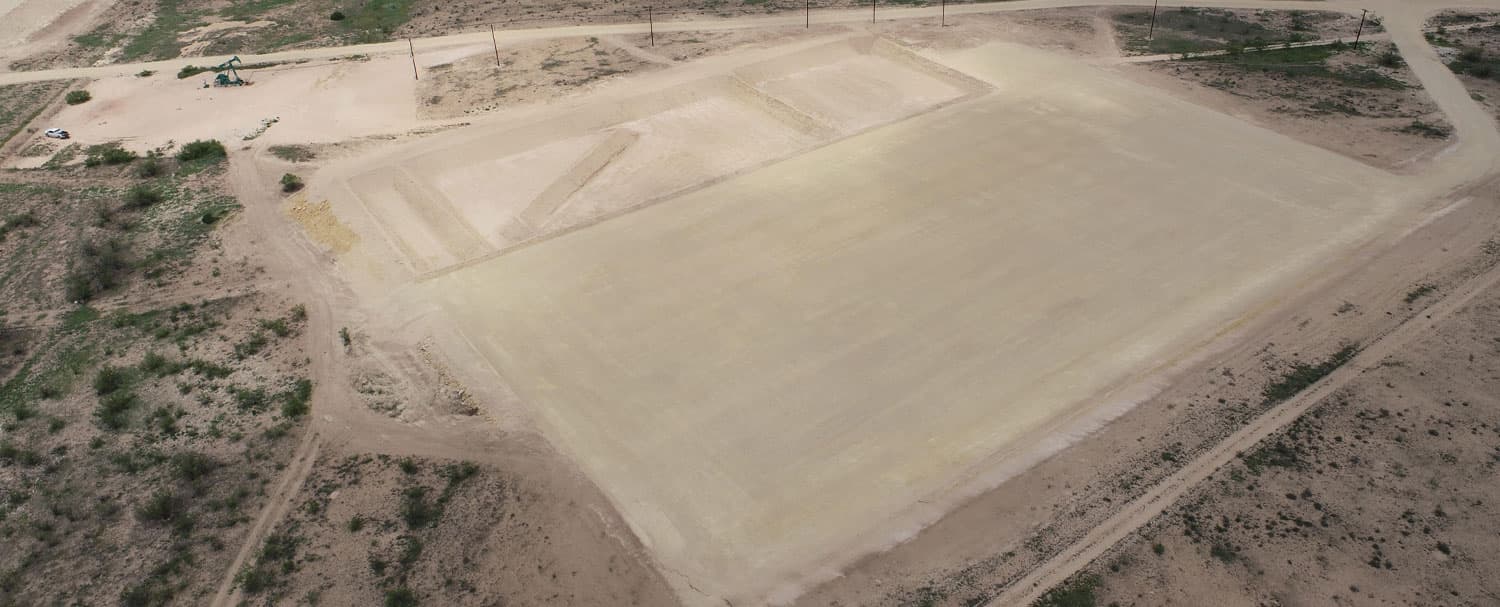
Ground Lease Pad properties represent one of the most passive real estate investment structures available, where the landowner leases land to a tenant who owns and operates the improvements. This separation of land and building ownership creates unique investment characteristics favored by investors seeking long-term, predictable income with minimal landlord responsibilities.
For Boston, MA investors pursuing 1031 exchanges, ground lease investments offer exceptional passivity with lease terms often extending 50-99 years. The tenant handles all building-related expenses, maintenance, and capital improvements, leaving the landowner with essentially no operational responsibilities beyond collecting rent and managing the ground lease agreement.
Common ground lease structures include quick-service restaurants, convenience stores, auto dealerships, and other single-tenant retail operations where the tenant prefers to own their building improvements while leasing the underlying land. Major corporate tenants often use ground lease structures for their real estate portfolios.
Explore Property Types
Based in Boston, MA. Nationwide identification support within 45-day and 180-day deadlines.
Why Consider
KEY BENEFITS FOR 1031 EXCHANGE INVESTORS
Investment Profile
TYPICAL INVESTMENT CHARACTERISTICS
Lease Terms
50-99 years initial term, often with renewal options
Lease Structure
Absolute Net - tenant handles all expenses including building capital costs
Tenant Responsibilities
Building construction, maintenance, insurance, taxes, and all operations
Rent Escalations
Fixed increases (typically every 5-10 years) or CPI-based adjustments
Cap Rate Range
4.0% - 6.0% depending on tenant credit, lease term, and location
Tenant Profile
TYPICAL TENANTS
Market Factors
LOCATION CONSIDERATIONS
Ground lease property value is influenced by land location fundamentals, tenant credit quality, and building use. Prime locations with strong tenant operations command premium valuations. For Boston, MA investors, we evaluate each ground lease property's land value, tenant quality, lease terms, and building use to assess long-term investment characteristics.
Common Questions
FREQUENTLY ASKED QUESTIONS
How do ground leases qualify as 1031 exchange replacement property?+
What makes ground leases attractive for 1031 exchange investors seeking passive income?+
How does building reversion work in ground lease investments?+
What cap rates should Boston, MA investors expect for ground lease replacement properties?+
Are there unique considerations with ground lease investments for 1031 exchanges?+
Our Capabilities
RELATED SERVICES
Guides
Capital Gains on Rental Property
How gain on a Boston, MA rental is calculated, and why a 1031 exchange defers it.
Guides
Inherited Property Capital Gains
How the stepped-up basis rule changes the gain calculation on an inherited Boston, MA property.
Guides
Passive Real Estate Income
How DST and net lease structures generate passive income while remaining 1031-eligible.
Execution
Qualified Intermediary Coordination
Escrow, wire control, and document flow with preferred QIs.
Markets We Serve
SERVICE AREAS
Next Steps
Ready to lock in your 1031 strategy?
Share your ground lease pad goals and we will curate identification-ready deals within one business day.